


Over the past few months, we've received more questions than ever about vitamin B6.
With recent reports highlighting the risks of taking high doses of synthetic vitamin B6 supplements over extended periods, it's understandable that many people are now checking labels more carefully.
One of the most common questions we receive is:
"Does your Whole Leaf Moringa contain vitamin B6?"
The short answer is yes, but only naturally occurring amounts that are found within the whole leaf itself.
Food is not the same as a synthetic supplement
One of the most important distinctions often missed in discussions about vitamin B6 is where it comes from.
The vitamin B6 found in whole foods exists naturally within the food matrix alongside fibre, proteins, minerals, polyphenols and hundreds of other naturally occurring compounds. It is consumed as part of a complex food, not as a concentrated isolated nutrient.
Synthetic vitamin B6 supplements, on the other hand, typically provide pyridoxine hydrochloride, often in doses many times higher than our daily requirement. It is these high dose supplemental forms, taken over long periods, that have been associated with sensory neuropathy in susceptible individuals.
Vitamin B6 is a water-soluble vitamin, meaning excess amounts are generally excreted in the urine rather than stored in large quantities like vitamins A or D. However, despite being water soluble, prolonged intake of high doses of supplemental pyridoxine has been shown to cause toxicity in susceptible individuals.
Current concerns are directed at excessive supplemental vitamin B6, not the naturally occurring vitamin B6 present in vegetables, fruits, legumes or herbs.
How much vitamin B6 is actually in Moringa?
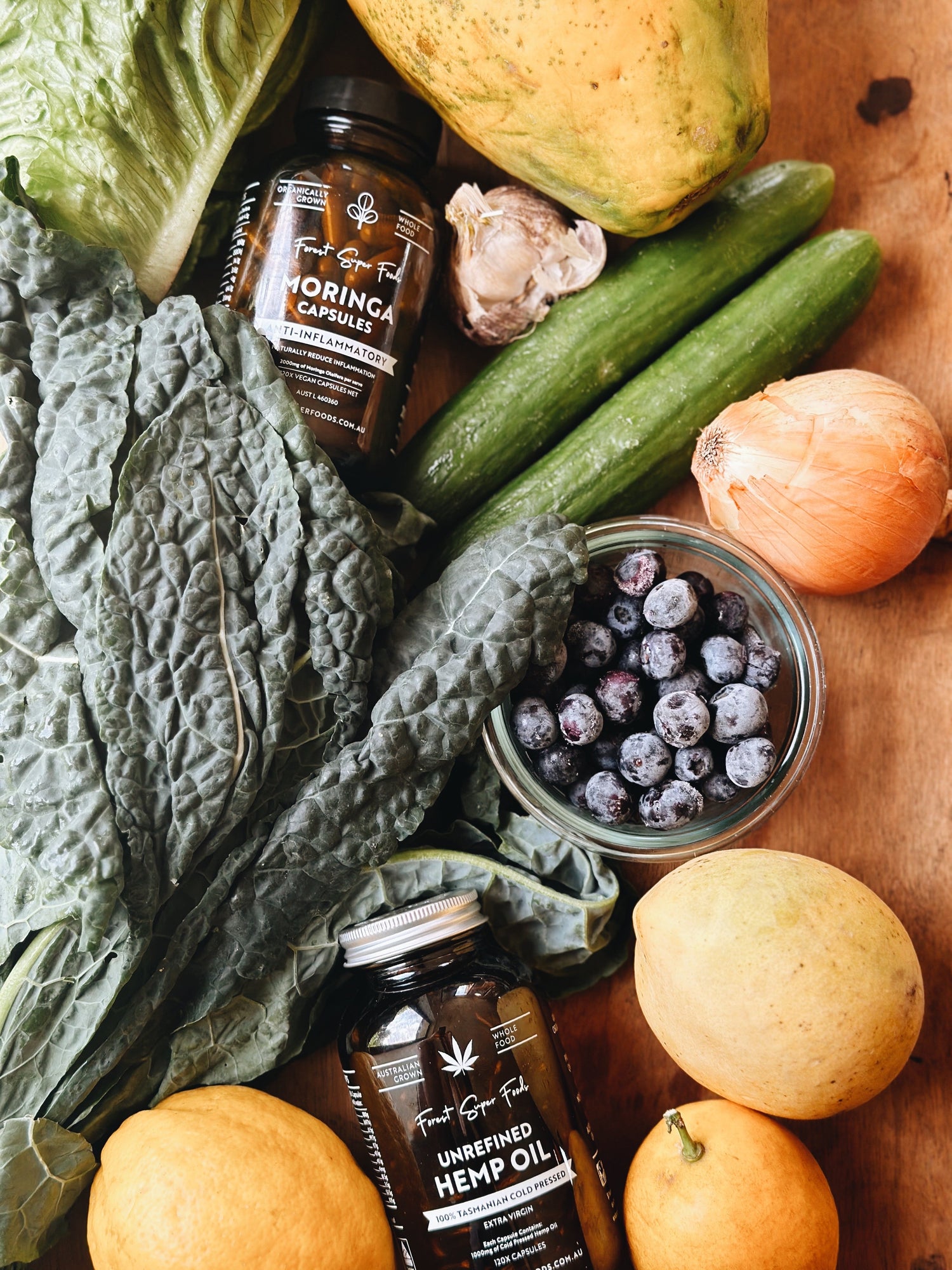
Moringa is naturally nutritious and contains small amounts of many vitamins and minerals, including several B vitamins.
Published food composition data reports approximately 1.2 mg of vitamin B6 per 100 g of dried moringa leaf powder.
Our recommended daily serving is 2 g, which provides approximately:
0.024 mg of vitamin B6
To put that into perspective:
- Adult Recommended Dietary Intake: 1.3 to 1.7 mg/day
- Whole Leaf Moringa (2 g serving): approximately 0.024 mg
- This is less than 2% of an adult's daily requirement.
In other words, the amount naturally present in a daily serve of whole leaf moringa is very small.
Why whole foods matter
Whole foods were never designed to deliver massive amounts of one isolated nutrient.
Instead, they provide hundreds of naturally occurring compounds that work together as part of a balanced diet.
That's exactly why our philosophy has always been simple:
Whole foods first.
Rather than concentrating or isolating nutrients, we preserve the leaf exactly as nature intended.
The bottom line
Yes, Whole Leaf Moringa naturally contains vitamin B6.
However, the amount in a standard daily serve is nominal, naturally occurring, and far below the levels associated with concerns around high dose vitamin B6 supplementation.
As always, if you're taking multiple supplements containing added vitamin B6, it's worth checking your total supplemental intake. But when it comes to whole food sources like moringa, the naturally occurring amount is very small and forms part of the plant's complete nutritional profile.
References
Peñalver R, et al. Nutritional and Antioxidant Properties of Moringa oleifera Leaves in Functional Foods. Foods. 2022;11(8):1107.
Sultana S. Nutritional and Functional Properties of Moringa oleifera. Metabol Open. 2020;8:100061.
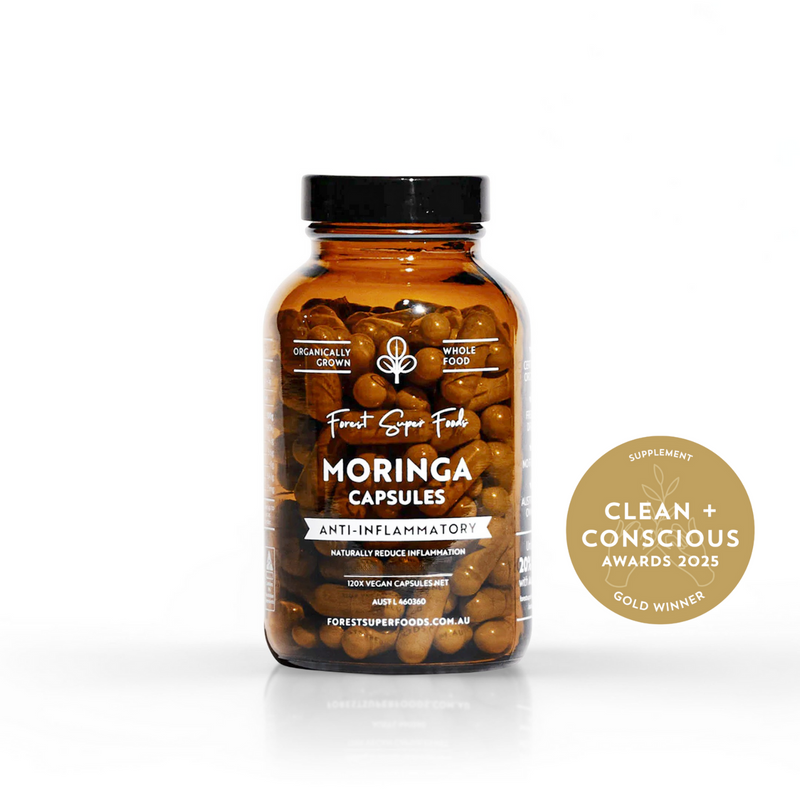
Organic Moringa CapsulesA powerful supplement for your health and wellness. Order Now |

|
Frequently Asked Questions
What does Moringa do for your body?
Moringa is a nutrient-dense superfood rich in vitamins A, C, E, calcium, potassium, and antioxidants. It may help protect tissues of vital organs. It's also traditionally used for hormone and digestive support.
Who cannot take Moringa?
While Moringa is safe for most people, those who are pregnant, breastfeeding, or on blood pressure or thyroid medication should consult a healthcare professional before taking it. It's best to consult your healthcare provider before taking Moringa supplements for regular use.
Is Moringa legal in Australia?
Yes, Moringa is legal and available in Australia as a supplement.However, it is categorised as a 'novel food' which makes it unavailable as a regular food item. At Forest Super Foods, our Moringa is organically grown and meets all Australian food safety and labelling standards.
What happens if I take Moringa every day?
Daily Moringa use may support overall wellbeing, energy, and digestion. Many people experience better focus and reduced inflammation with consistent use. Just be sure to follow the recommended dose, as high quantities may lead to digestive discomfort in some people.

Leave a comment
All comments are moderated before being published.
This site is protected by hCaptcha and the hCaptcha Privacy Policy and Terms of Service apply.