

Eating a diet high in protein has many benefits, including hormone production, enhanced muscle growth, immune health, satiety, weight management, improved metabolic health and body composition. How do you know if you are getting enough protein?
The recommended daily intake is, on average, 40–60g of protein per day. It is calculated based on age, weight and sex, with the recommendations being 0.75g per kilogram of body weight per day for women and 0.84g per kilogram of body weight per day for men.
People who are pregnant, breastfeeding or over 70 years old should consume approximately 1g per kilogram of body weight per day.
For example, if you are a woman weighing 70kg and want to calculate your minimum daily protein requirement:
Daily protein intake = 70kg × 0.75g = 52.5g of protein
Common Symptoms of Protein Insufficiency
I say insufficiency because a protein deficiency is relatively rare in the Western world. Possible symptoms include:
- Muscle weakness and fatigue: One possible sign of insufficient protein intake is muscle weakness or fatigue. If your muscles feel unusually weak or you’re experiencing frequent fatigue, it may be worth reviewing your protein intake.
- Hair, skin and nail problems: Protein is essential for healthy hair, skin and nails. Brittle nails, thinning hair and dry skin can sometimes be associated with inadequate protein intake.
- Frequent infections: Inadequate protein intake can affect normal immune function, potentially making the body more susceptible to infections.
- Oedema: Protein helps maintain fluid balance in the body. Severely low protein levels can contribute to fluid retention and swelling, particularly in the legs and feet.
- Cravings and increased appetite: Constant hunger or intense cravings may sometimes be associated with meals that do not contain enough protein to support satiety.
These symptoms can also be related to many other health conditions. Speak with a qualified healthcare professional before assuming they are caused by insufficient protein.
Calculating How Much Protein You Need
Incorporating a variety of protein sources into your diet can help you meet your daily needs. Here are some examples of protein-rich foods, grouped into approximate portions to make planning easier.
- Animal-based sources: One small chicken breast, one small beef steak, approximately 10 prawns, one salmon steak, one 100g tin of tuna or five eggs.
- Dairy sources: Greek yoghurt, cottage cheese, milk and other high-protein dairy products.
- Plant-based sources: Legumes such as beans, lentils and chickpeas; nuts and seeds such as almonds, peanuts, cashews, walnuts, chia seeds and flaxseeds; oats, quinoa and soy products such as tofu, tempeh and edamame.
4 Tips to Get More Protein in Your Diet
If you suspect you’re not getting enough protein, here are some practical ways to increase your intake:
- Include protein in every meal: Ensure each meal contains a good source of protein, whether it’s animal-based or plant-based.
- Snack on protein-rich foods: Choose snacks like Greek yoghurt, nuts or a protein shake.
- Balance your plate: Combine protein with healthy fats and carbohydrates to create balanced meals that keep you full and satisfied.
- Consider protein supplements: If you have difficulty meeting your protein needs through food alone, consider an appropriate protein supplement such as whey or hemp protein powder.
Protein Supplements
Three commonly available types of protein supplements include:
- Pea protein: A plant-based protein produced from yellow split peas.
- Whey protein: A dairy-based protein containing all nine essential amino acids.
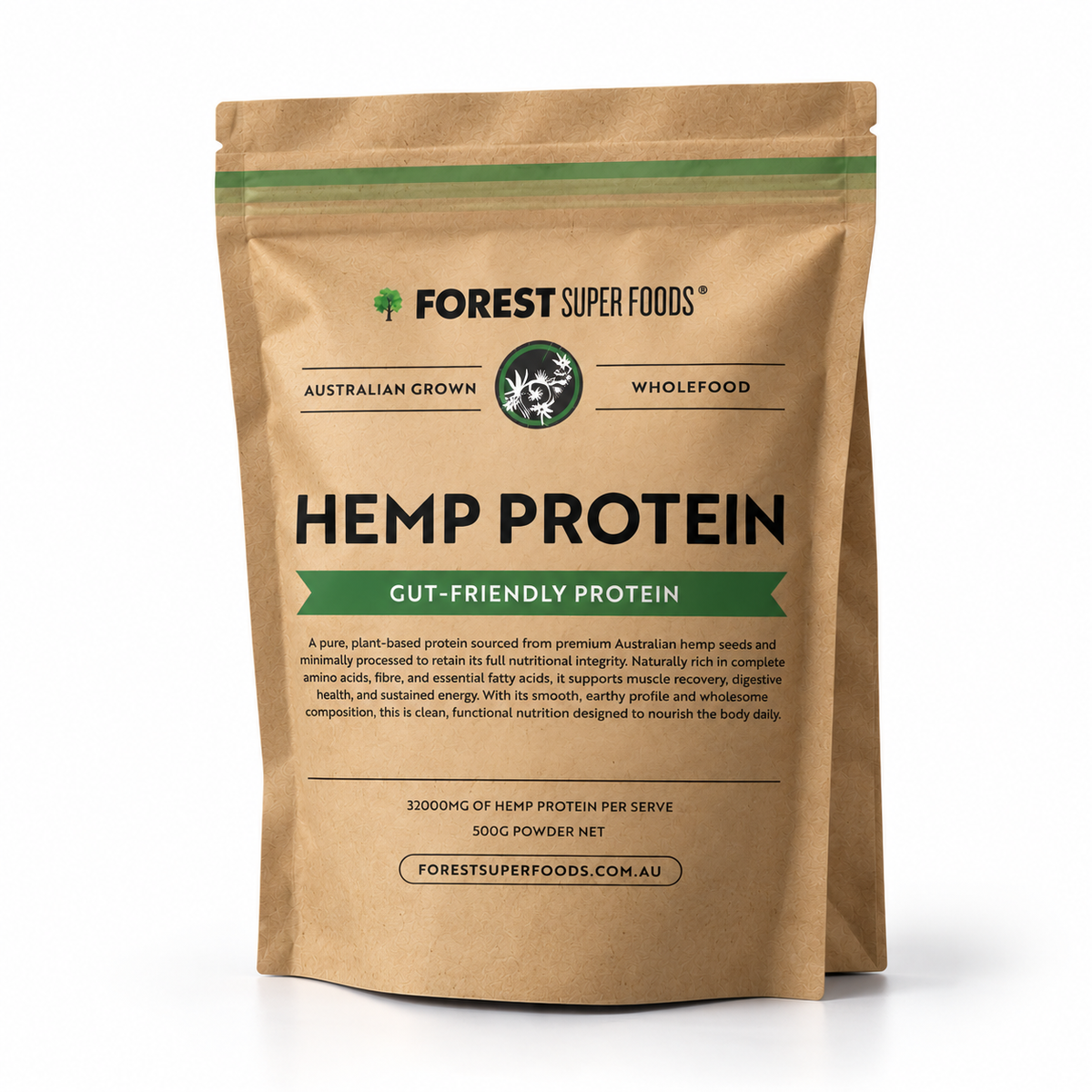
- Hemp protein: Our Australian Hemp Protein is grown in Australia and naturally contains protein, omega-3 and omega-6 fatty acids and other nutrients.
Australian Hemp ProteinA powerful supplement for your health and wellness. Order Now |

|



Leave a comment
All comments are moderated before being published.
This site is protected by hCaptcha and the hCaptcha Privacy Policy and Terms of Service apply.