



1. Prioritise Balanced Nutrition
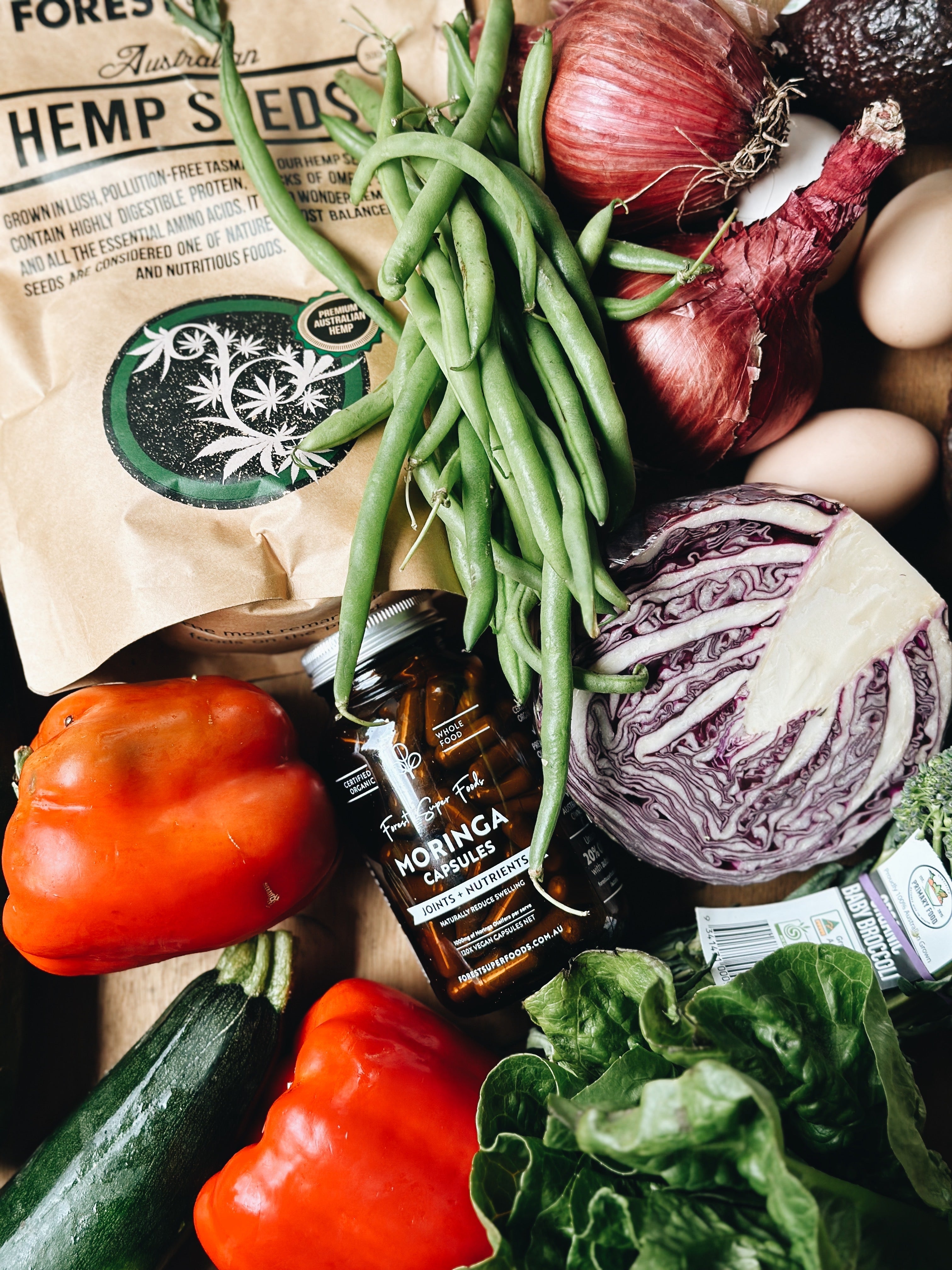
A nutrient-rich diet supports immune function, energy regulation and metabolic health. Immune cells rely on a range of micronutrients including vitamins C, D, zinc, selenium and protein for optimal function. Eating plenty of fresh vegetables, fruit, whole grains and lean protein provides the broad spectrum your body needs. Research emphasises dietary patterns rather than single “magic foods” for robust immune support.
Relevant practical tips:
-
Aim for colourful plates full of minimally processed foods
-
Include lean proteins and plenty of vegetables at festive gatherings
-
Limit added sugars and refined carbohydrates which can spike blood sugar and increase inflammation
3. Maintain Regular Physical Activity
Consistent exercise circulates immune cells, supports cardiovascular health, helps regulate mood and contributes to better sleep. Evidence suggests moderate physical activity improves immune surveillance and reduces disease susceptibility.
Ways to stay active:
-
Aim for 30 minutes of brisk walking most days
-
Include strength work two to three times per week
-
Use incidental movement like walking between social events
4. Prioritise Quality Sleep
Sleep is fundamental to restoration, immune protein production and metabolic health. Research highlights that even short-term sleep deprivation can weaken immune responses and increase disease risk. Consistency matters more than perfection.
Sleep optimisation strategies:
-
Keep a consistent sleep/wake time
-
Avoid screens at least one hour before bed
-
Create a cool, quiet sleep environment
5. Manage Stress Practically
Chronic stress releases cortisol which can impair immune system efficiency and digestion. Mindfulness techniques, breathing, yoga and regular physical activity are all evidence-based ways to reduce stress markers and support immune function.
Simple stress-reducing practices:
-
Daily short breathing or meditation sessions
-
Reframing tasks as choices rather than obligations
-
Scheduling downtime between festive events
6. Stay Hydrated
Hydration supports cellular function, digestion and mucous membrane integrity, which is one of the body’s first defences against infection. While specific research into hydration and Christmas health is limited, basic physiology shows adequate fluid intake is critical for all bodily functions.
Aim for water intake adjusted to activity level and heat exposure. Herbal teas and water-rich foods like watermelon can help.
7. Support Gut Health with Fibre
Gut microbiota play a key role in immune regulation, inflammation control and nutrient absorption. A diet high in fibre from vegetables, legumes, whole grains and nuts helps maintain microbial diversity that supports these systems. Emerging evidence continues to show the gut-immune connection is significant for overall wellbeing.
8. Practise Mindful Eating
The holidays often include abundant high-calorie foods. Mindful eating helps prevent overconsumption by encouraging awareness of hunger, fullness and enjoyment without judgement. This approach supports digestion and reduces stress around food choices.
9. Get Safe Sunlight Exposure for Vitamin D
Vitamin D is important for immune regulation and mood, so make sure you head outside, preferably just after sunrise and go for a walk. It will help with your circadian rhythm too. If you have time, try going for a 15 min walk after each meal that will help with your blood glucose regulation.
10. Build Social Connection with Intention
Positive social connections reduce stress and support resilience. Research shows strong relationships are associated with lower stress hormone levels and better overall health outcomes. Engage mindfully with friends and family and protect time for meaningful connection rather than overcommitment.
11. Maintain Routine Where Possible
Holiday disruptions can lead to irregular eating, sleeping and activity patterns. Evidence supports maintaining routines to stabilise circadian rhythms and digestive processes, which in turn supports stress regulation and sleep quality.
12. Have a Plan for Recovery After Festive Events
After social events that include later nights or richer meals, simple routines such as a nutrient-dense breakfast, morning movement and adequate hydration help your body reset. Research highlights the importance of consistent patterns in supporting metabolic and immune health rather than sporadic behaviours.



Leave a comment
All comments are moderated before being published.
This site is protected by hCaptcha and the hCaptcha Privacy Policy and Terms of Service apply.